About San Bernardino Valley

The Mission
Reliable Water for a Resilient Tomorrow
San Bernardino Valley’s mission is to work collaboratively to provide a reliable and sustainable water supply to support the changing needs of the region’s people and environment.
San Bernardino Valley is responsible for importing supplemental water, managing groundwater extraction beyond local basin judgment limits, and monitoring key groundwater supplies in the San Bernardino and Rialto-Colton basins. The Agency also maintains flows at the Riverside Narrows on the Santa Ana River.
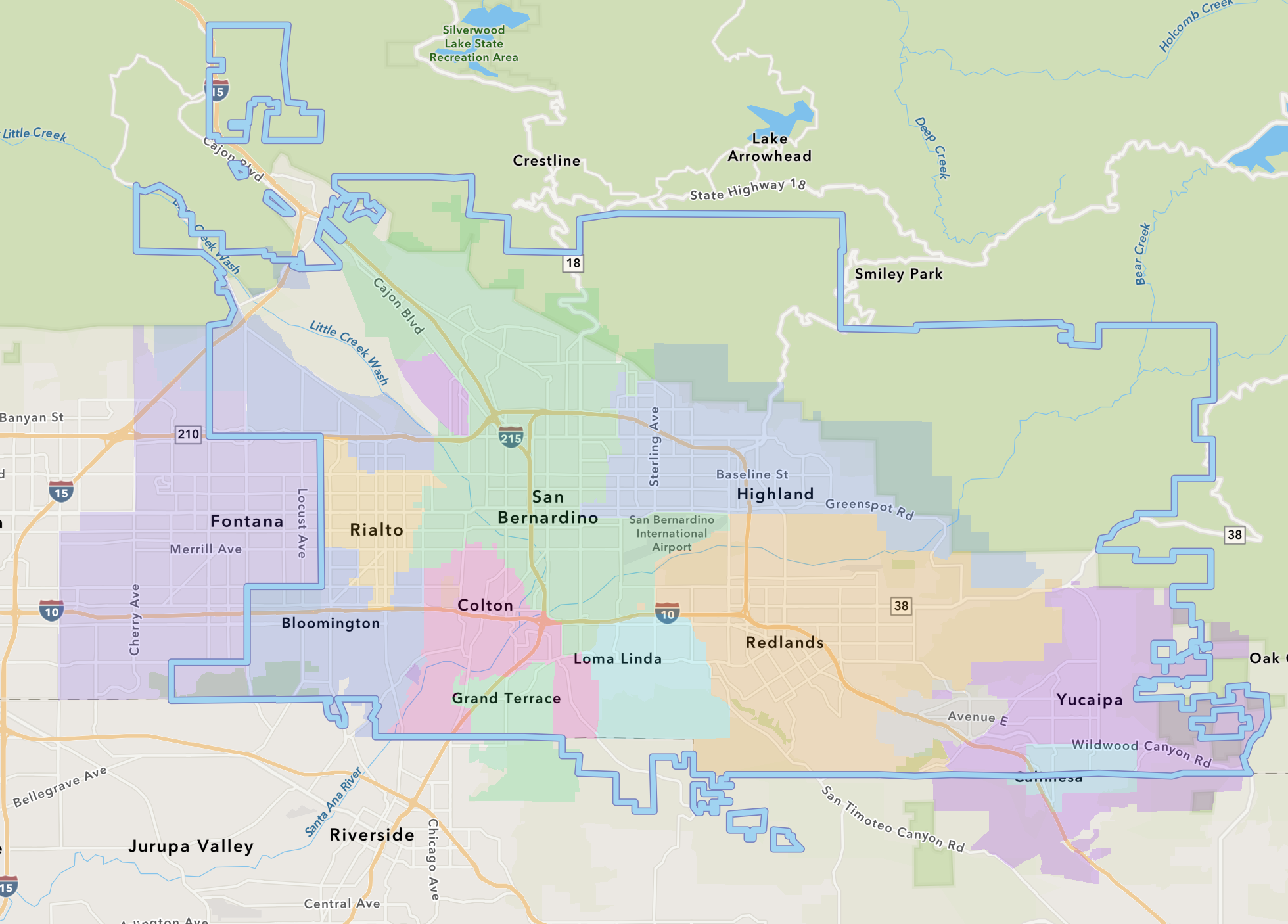
To meet these responsibilities, San Bernardino Valley imports water through the State Water Project for direct use and groundwater recharge, while coordinating water deliveries to 15 retail agencies across a 350 square mile service area.
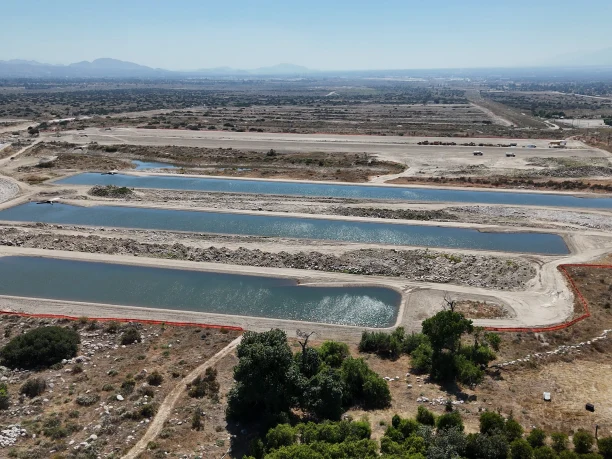
Enhanced Recharge Project. View project
Work In Action
By maximizing the value of the region’s water assets and working closely with local, regional, and state partners, San Bernardino Valley’s forward-thinking efforts today are building a strong foundation for a more resilient water future — one that can adapt to climate change, population growth, and long-term sustainability needs in the community.
- 70+ years of regional water supply leadership
- Population Served: ~700,000
- Service Area: 353 square miles
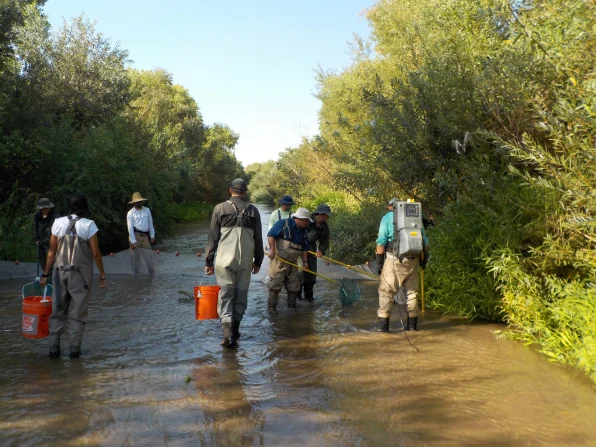
Santa Ana River Fish Survey
Agency Services
San Bernardino Valley was formed in 1954 through a vote of local residents, to ensure the long-term water reliability of our region, incorporated under the Municipal Water District Act of 1911. As one of 29 State Water Contractors, the Agency brings imported supplemental water via the State Water Project to local communities. But the work doesn’t stop there.
San Bernardino Valley:
- Plans regionally for water resilience
- Builds and maintains water infrastructure
- Manages groundwater storage and recharge
- Partners with agencies to restore ecosystems
- Helps ensure reliable supplies for future generations
While the organization doesn’t deliver water directly to homes or businesses, this work supports the cities, retail water agencies, and communities that do. Simply put: San Bernardino Valley makes sure there’s water to deliver, both today and tomorrow.
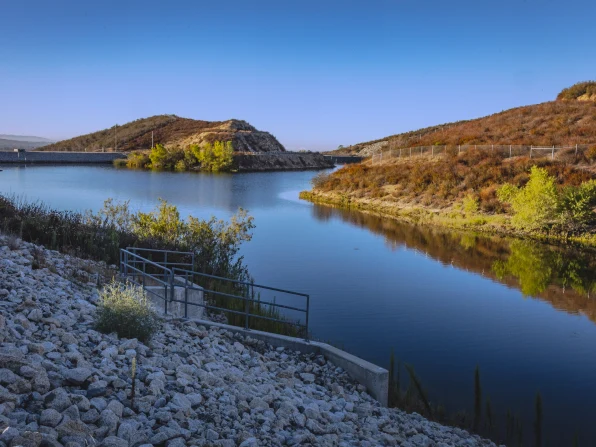
Crafton Hills Reservoir

Strategic Plan
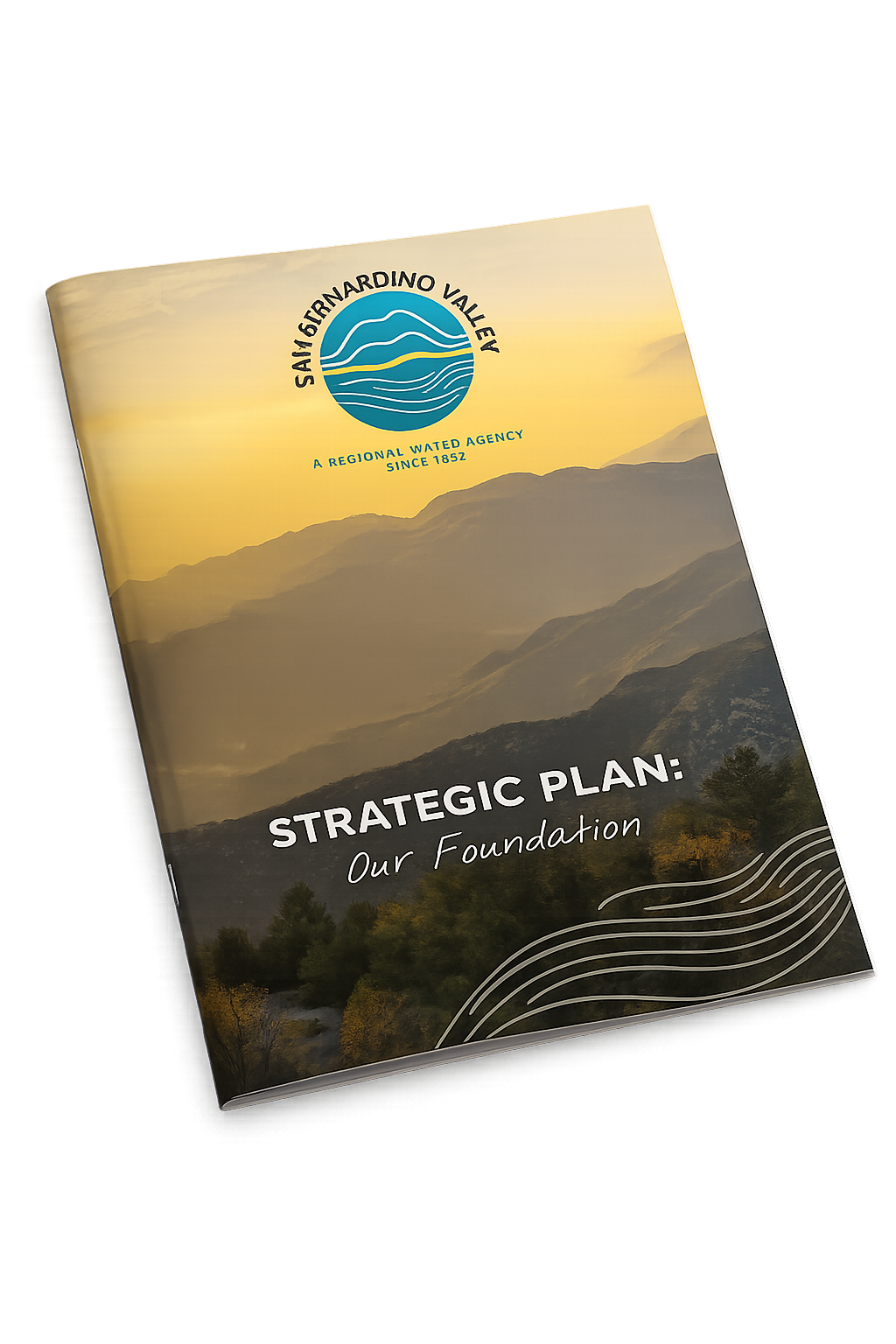
San Bernardino Valley’s mission goes well beyond responding to today’s challenges. That’s why the Agency created The Strategic Plan: Our Foundation. Adopted in 2022, and developed through workshops, community engagement, stakeholder meetings, and expert-led discussions – the Strategic Plan is a North Star for the Agency, steady and durable over time.
The Strategic Plan: Our Foundation illustrates the organization’s character and tenacity. Through the information that was gathered, the Board of Directors developed the Agency’s Mission, Vision, and Values statements, as well as a set of Agency priorities and long-term goals for the future. San Bernardino Valley’s Strategic Plan Framework includes two primary components.
The first component, Our Foundation, is intended to be long-lasting and foundational, only requiring updates every 5-10 years.
The second component, Strategic Plan: Goals & Objectives, builds upon Our Foundation and is intended to be a more frequently updated, tactical document that aligns with San Bernardino Valley’s annual budgeting process. This is meant as an active instrument by setting clear goals, performance measures, and actions to help achieve the Agency’s mission.
Together, the full Strategic Plan framework ensures that every action San Bernardino Valley takes supports long-term sustainability.
Timeline
Where we’ve been
Track key milestones and phases from planning to future expansion.
1954
An Agency is Born
Voters approved the creation of the San Bernardino Valley Municipal Water District to secure supplemental water for the growing Inland Empire.
1960s
Building the Foundation
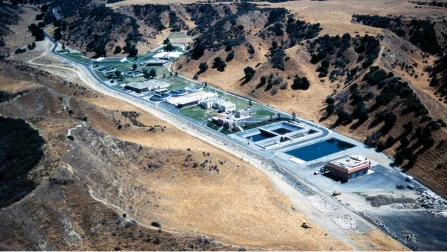
The Agency signed a long-term contract with the State of California for water from the Feather River, now part of the State Water Project. Landmark legal settlements in 1969 established rules for sharing groundwater and Santa Ana River flows.
1970s
First Deliveries of State Water
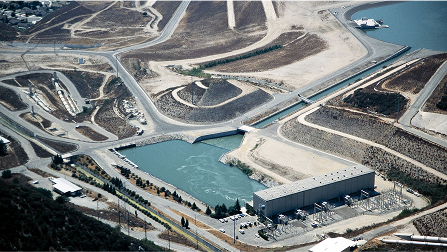
Imported water began arriving through the State Water Project. Regional collaboration grew with the formation of the Santa Ana Watershed Project Authority (SAWPA) in 1975.
1980s
Regional Planning & New Facilities
Partnerships expanded with local agencies to tackle high groundwater issues and develop recycled water solutions. The Seven Oaks Dam was approved, reshaping regional flood control and water supply planning.
1990s
Expanding Reliability
The Agency invested in new pipelines, the Baseline Feeder, and agreements with neighboring agencies. The process for pursuing Santa Ana River water rights began, laying the groundwork for future recharge and conservation.
2000s
Integrated Regional Planning
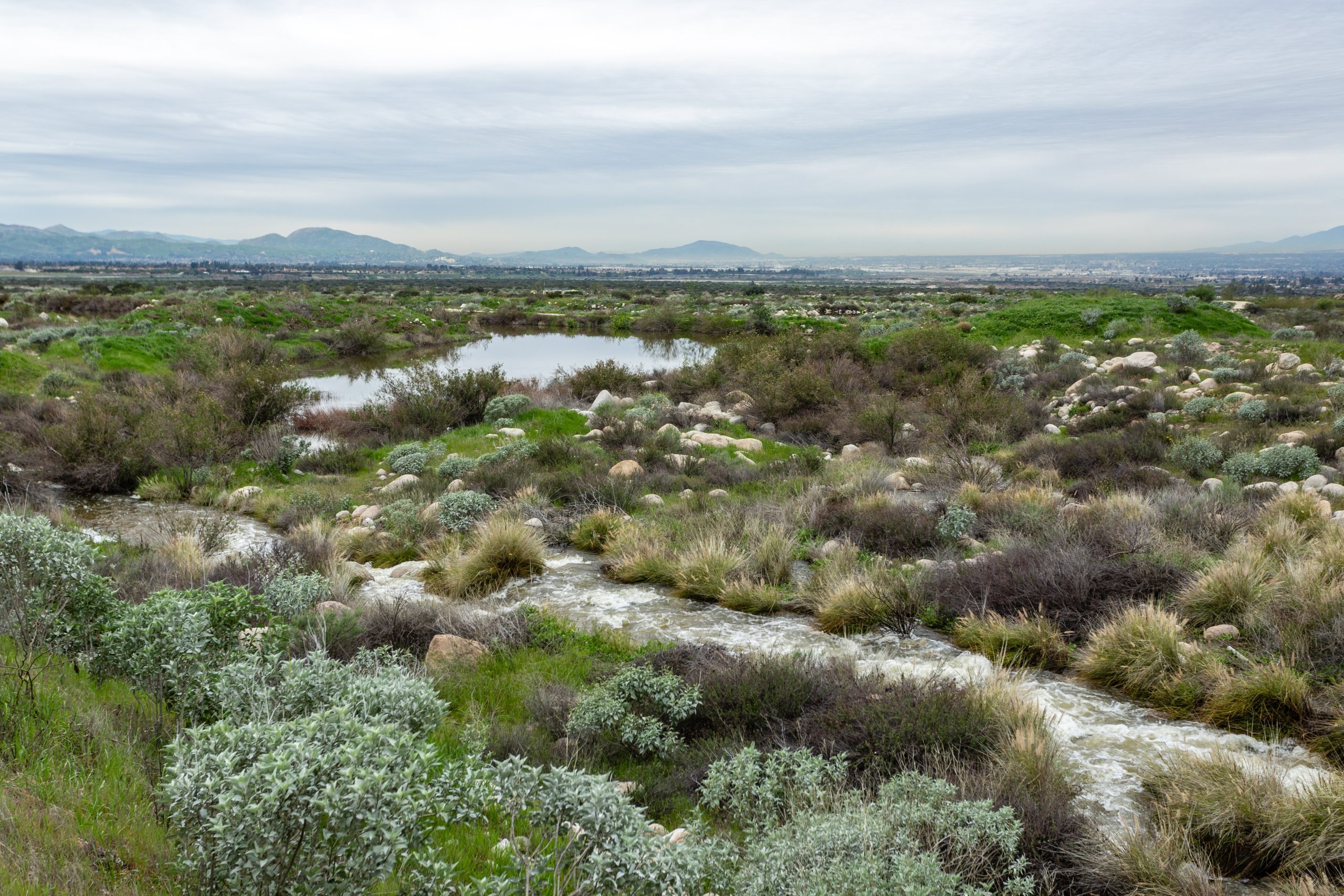
The Agency led the development of an Integrated Regional Water Management Plan with 17 agencies, launched major infrastructure expansions, and advanced environmental stewardship projects.
2010s
Facing Drought with Innovation
The Agency spearheaded drought-response education campaigns, advanced habitat conservation planning, and invested in recycled water studies to enhance sustainability.
2020s
Today and Beyond
With historic recharge years, acquisition of Sunrise Ranch, and a new Strategic Plan, the Agency is shaping the future through climate adaptive, water supply projects native ecosystem protection and regional partnerships to ensure a resilient water supply for generations to come.