
Sensitive Species
San Bernardino is home to a variety of sensitive plants and animals, each playing a vital role in the region’s natural balance and ecosystem health.

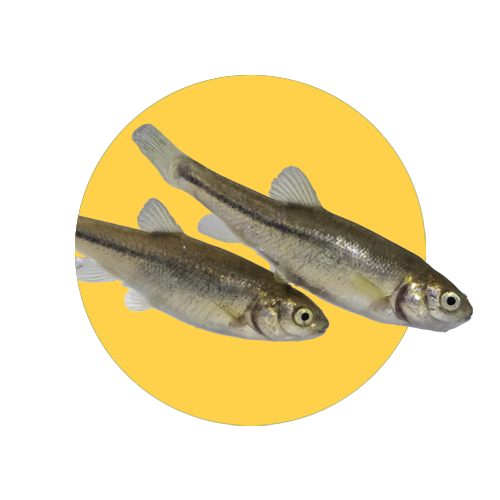
Arroyo Chub
*Gila orcuttii*
See Details
Arroyo Chub
*Gila orcuttii*
Size: Adults average 2-4 inches long
Habitat: Freshwater, with sand, gravel or rock substrate
Diet: Algae, insects
Fun Fact: They are social fish, often found in groups or schools
Hide Details
Size: Adults average 2-4 inches long
Habitat: Freshwater, with sand, gravel or rock substrate
Diet: Algae, insects
Fun Fact: They are social fish, often found in groups or schools
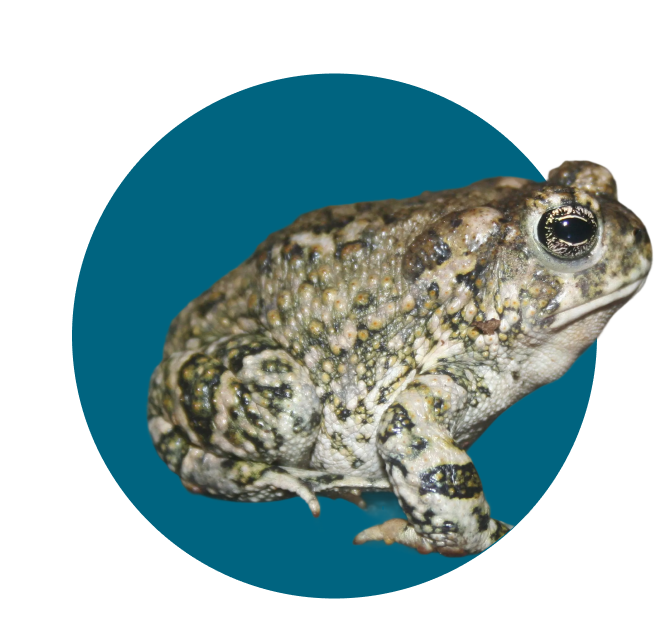
Arroyo Toad
*Anaxyrus californicus*
See Details
Arroyo Toad
*Anaxyrus californicus*
Habitat: Riparian areas, scatted vegetation
Diet: Insects
Fun Fact: Can survive long dry periods by burrowing underground
Hide Details
Habitat: Riparian areas, scatted vegetation
Diet: Insects
Fun Fact: Can survive long dry periods by burrowing underground
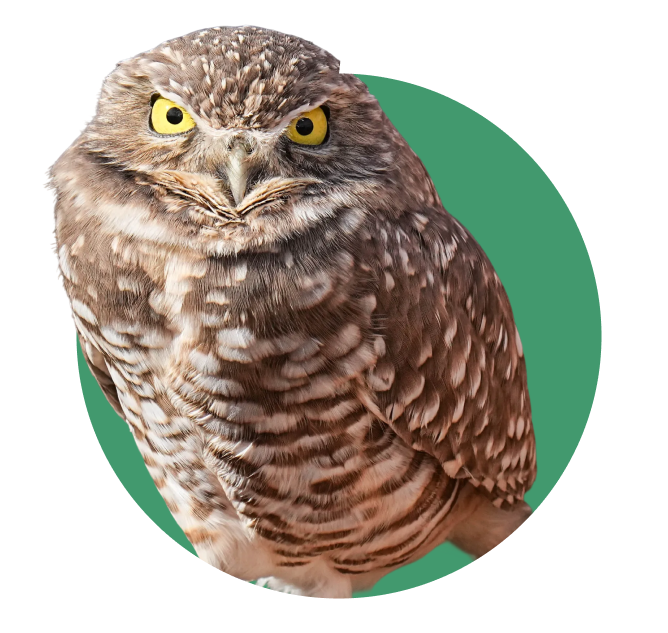
Burrowing Owl
*Athene cunicularia*
See Details
Burrowing Owl
*Athene cunicularia*
Size: 7.5-11 inches in length
Habitat: Grasslands, underground burrows
Diet: Insects, small mammals, lizards
Fun Fact: Most female owls are larger, while male and female burrowing owls are the same size
Hide Details
Size: 7.5-11 inches in length
Habitat: Grasslands, underground burrows
Diet: Insects, small mammals, lizards
Fun Fact: Most female owls are larger, while male and female burrowing owls are the same size
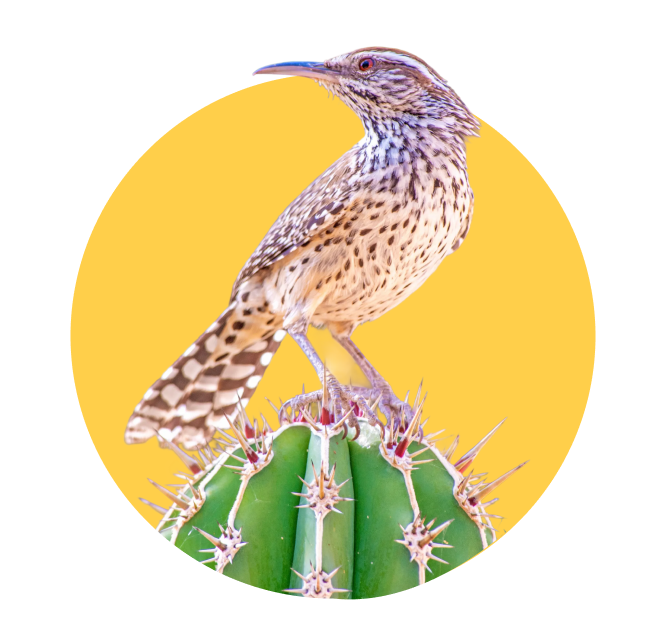
Cactus Wren
*Campylorhynchus brunneicapillus*
See Details
Cactus Wren
*Campylorhynchus brunneicapillus*
Size: 7-8 inches in length
Habitat: Deserts, arid foothills and washes
Diet: Fruit, seeds, insects
Fun Fact: Rarely drinking water, these birds get their liquids from fruit and insects
Hide Details
Size: 7-8 inches in length
Habitat: Deserts, arid foothills and washes
Diet: Fruit, seeds, insects
Fun Fact: Rarely drinking water, these birds get their liquids from fruit and insects
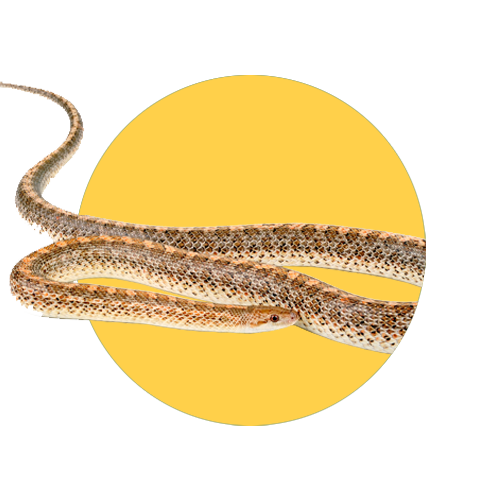
California Glossy Snake
*Arizona elegans occidentalis*
See Details
California Glossy Snake
*Arizona elegans occidentalis*
Size: 3-4 feet in length
Habitat: Scrub, rocky washes, grasslands, chaparral
Diet: Reptiles, small mammals, small birds
Fun Fact: Glossy snakes are excellent burrowers
Hide Details
Size: 3-4 feet in length
Habitat: Scrub, rocky washes, grasslands, chaparral
Diet: Reptiles, small mammals, small birds
Fun Fact: Glossy snakes are excellent burrowers
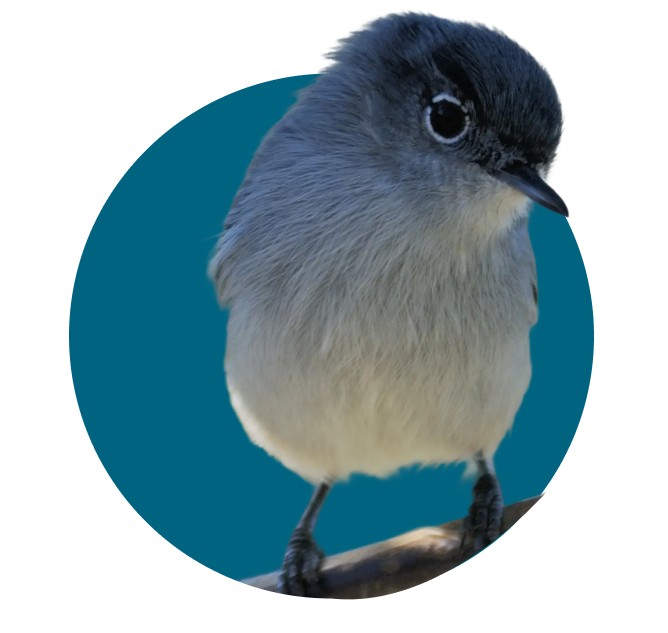
Coastal California Gnatcatcher
*Polioptila californica californica*
See Details
Coastal California Gnatcatcher
*Polioptila californica californica*
Size: Up to 4 inches long
Habitat: Coastal sage scrub
Diet: Insects
Fun Fact: Both male and female gnatcatchers incubate their eggs
Hide Details
Size: Up to 4 inches long
Habitat: Coastal sage scrub
Diet: Insects
Fun Fact: Both male and female gnatcatchers incubate their eggs
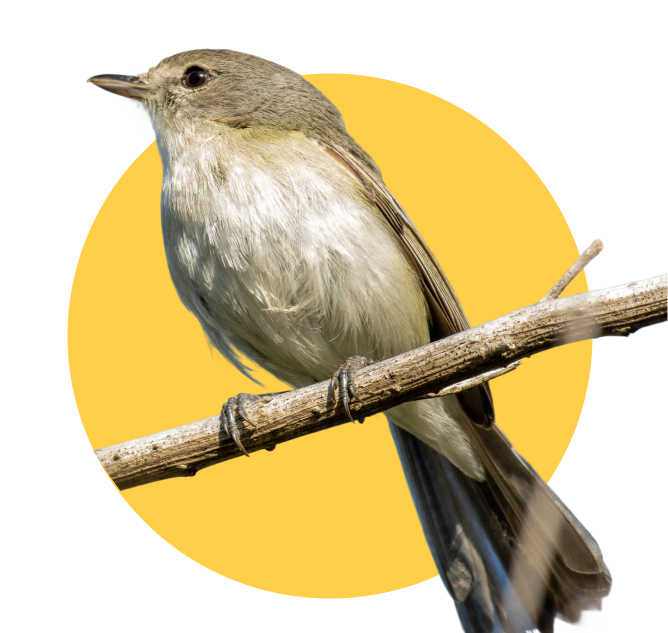
Least Bell’s Vireo
*Vireo bellii pusillus*
See Details
Least Bell’s Vireo
*Vireo bellii pusillus*
Size: 4.5-5 inches long
Habitat: Riparian forest, scrub
Diet: Insects
Fun Fact: The male and female both help to construct the nest
Hide Details
Size: 4.5-5 inches long
Habitat: Riparian forest, scrub
Diet: Insects
Fun Fact: The male and female both help to construct the nest
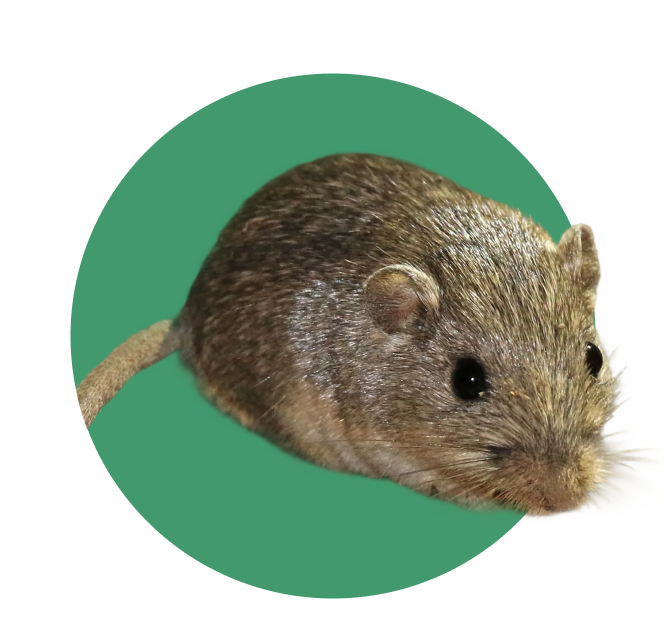
Los Angeles Pocket Mouse
*Perognathus longimembris brevinasus*
See Details
Los Angeles Pocket Mouse
*Perognathus longimembris brevinasus*
Size: 4-6 inches in length, including tail
Habitat: Alluvial sage scrub, sandy washes
Diet: Seeds, vegetation, insects
Fun Fact: One of the smallest species of pocket mice, weighing less than 10 grams
Hide Details
Size: 4-6 inches in length, including tail
Habitat: Alluvial sage scrub, sandy washes
Diet: Seeds, vegetation, insects
Fun Fact: One of the smallest species of pocket mice, weighing less than 10 grams
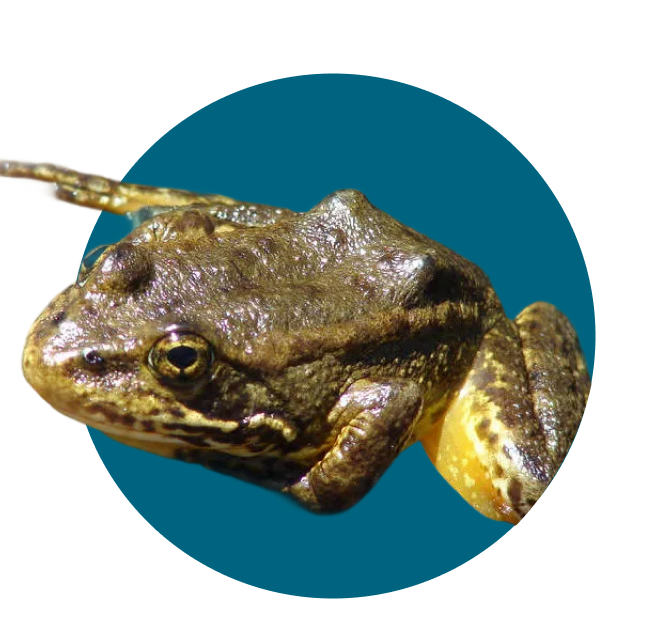
Mountain Yellow-Legged Frog
*Rana muscosa*
See Details
Mountain Yellow-Legged Frog
*Rana muscosa*
Habitat: Ponds, meadows, streams
Diet: Insects and amphibians
Fun Fact: Tadpoles take two to four years to turn into juvenile frogs, depending on water temperature.
Hide Details
Habitat: Ponds, meadows, streams
Diet: Insects and amphibians
Fun Fact: Tadpoles take two to four years to turn into juvenile frogs, depending on water temperature.
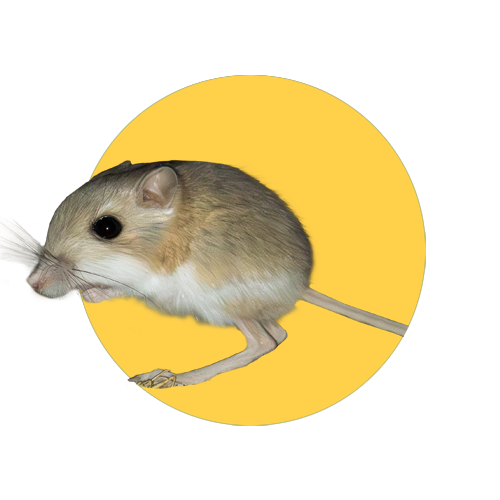
San Bernardino Kangaroo Rat
*Dipodomys merriami parvus*
See Details
San Bernardino Kangaroo Rat
*Dipodomys merriami parvus*
Size: 9 inches in length, including tail
Habitat: Alluvial fan sage scrub, sandy washes
Diet: Seeds, vegetation, insects
Fun Fact: SBKR can communicate with each other by thumping their hind feet
Hide Details
Size: 9 inches in length, including tail
Habitat: Alluvial fan sage scrub, sandy washes
Diet: Seeds, vegetation, insects
Fun Fact: SBKR can communicate with each other by thumping their hind feet
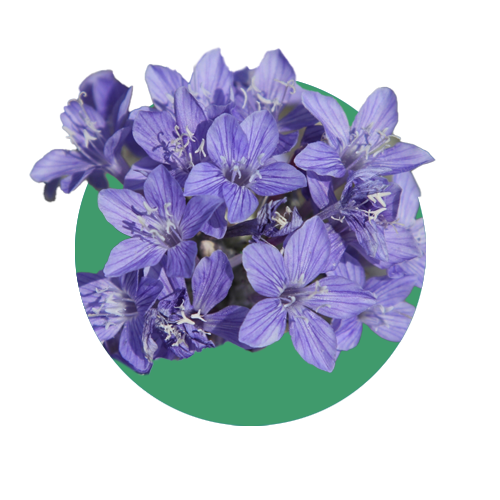
Santa Ana River Woolly-Star
*Eriastrum densifolium ssp. sanctorum*
See Details
Santa Ana River Woolly-Star
*Eriastrum densifolium ssp. sanctorum*
Habitat: sandy areas, floodplains with full sun
Fun Fact: The flowers bloom between May and August each year
Hide Details
Habitat: sandy areas, floodplains with full sun
Fun Fact: The flowers bloom between May and August each year
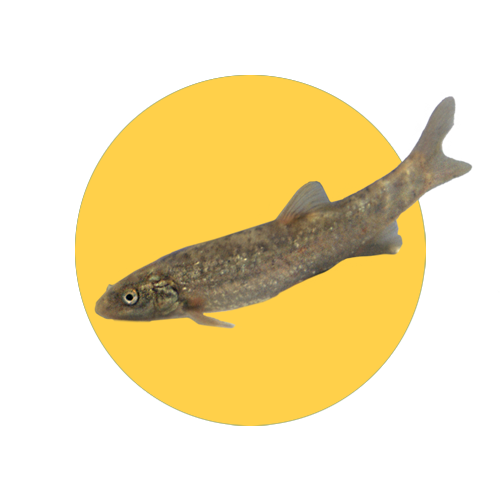
Santa Ana Speckled Dace
*Rhinichthys gabrielino*
See Details
Santa Ana Speckled Dace
*Rhinichthys gabrielino*
Size: Adults average 3-4.5 inches long
Habitat: River or stream with sand or cobble substrate
Diet: Small invertebrates
Fun Fact: This fish prefers to swim and rest along the bottom
Hide Details
Size: Adults average 3-4.5 inches long
Habitat: River or stream with sand or cobble substrate
Diet: Small invertebrates
Fun Fact: This fish prefers to swim and rest along the bottom
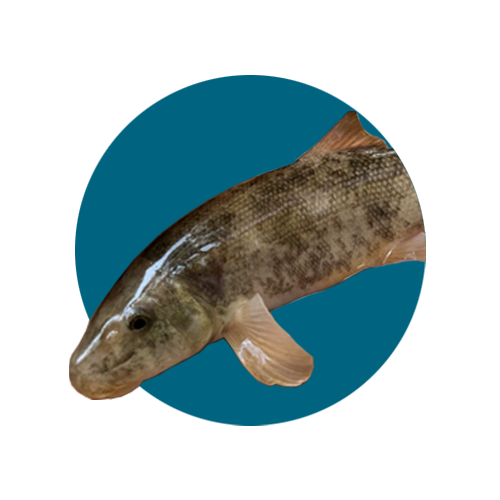
Santa Ana Sucker
*Catostomus santaanae*
See Details
Santa Ana Sucker
*Catostomus santaanae*
Size: Adult average 6 inches long
Habitat: River or stream with a variety of coarse substrate
Diet: Algae
Fun Fact: The positioning of their mouth allows them to “vacuum” algae from rocks
Hide Details
Size: Adult average 6 inches long
Habitat: River or stream with a variety of coarse substrate
Diet: Algae
Fun Fact: The positioning of their mouth allows them to “vacuum” algae from rocks
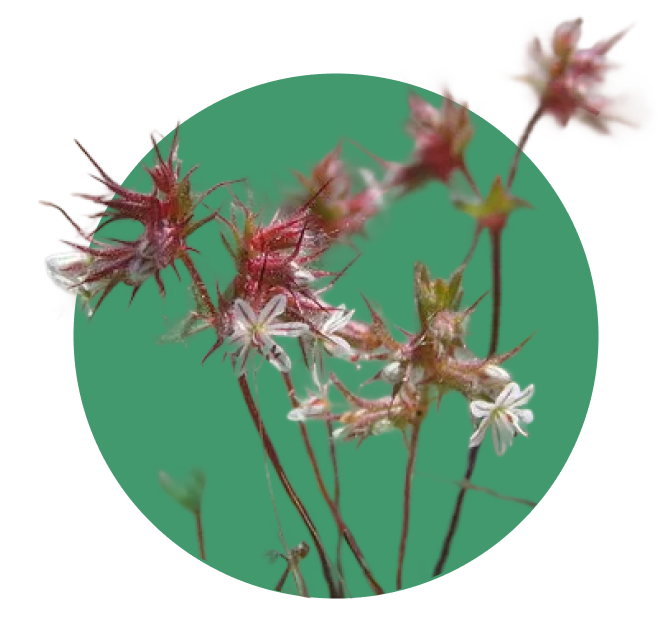
Slender-horned Spineflower
*Dodecahema leptoceras*
See Details
Slender-horned Spineflower
*Dodecahema leptoceras*
Habitat: alluvial scrub, floodplains
Fun Fact: Flower stalks can grow up to 6 inches high
Hide Details
Habitat: alluvial scrub, floodplains
Fun Fact: Flower stalks can grow up to 6 inches high
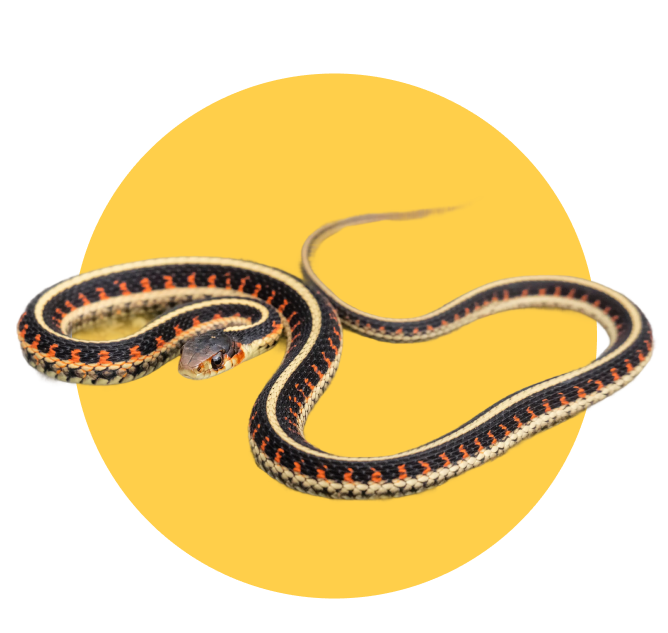
South Coast Garter Snake
*Thamnophis sirtalis ssp.*
See Details
South Coast Garter Snake
*Thamnophis sirtalis ssp.*
Size: 2.5-4 feet in length
Habitat: Dense riparian vegetation, permanent water
Diet: Amphibians, fish, invertebrates
Fun Fact: While this snake does produce venom, it is mild and not lethal to humans
Hide Details
Size: 2.5-4 feet in length
Habitat: Dense riparian vegetation, permanent water
Diet: Amphibians, fish, invertebrates
Fun Fact: While this snake does produce venom, it is mild and not lethal to humans
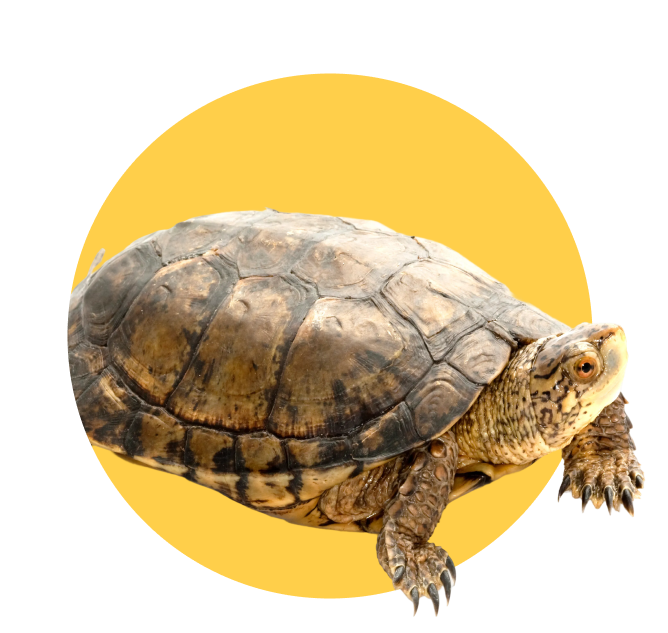
Southwestern Pond Turtle
*Actinemys pallida*
See Details
Southwestern Pond Turtle
*Actinemys pallida*
Size: 4.5-9 inches in length
Habitat: Streams, ponds, lakes, wetlands
Diet: Insects, tadpoles, fish, and plants
Fun Fact: Southwestern pond turtles can live 40-70 years in the wild
Hide Details
Size: 4.5-9 inches in length
Habitat: Streams, ponds, lakes, wetlands
Diet: Insects, tadpoles, fish, and plants
Fun Fact: Southwestern pond turtles can live 40-70 years in the wild
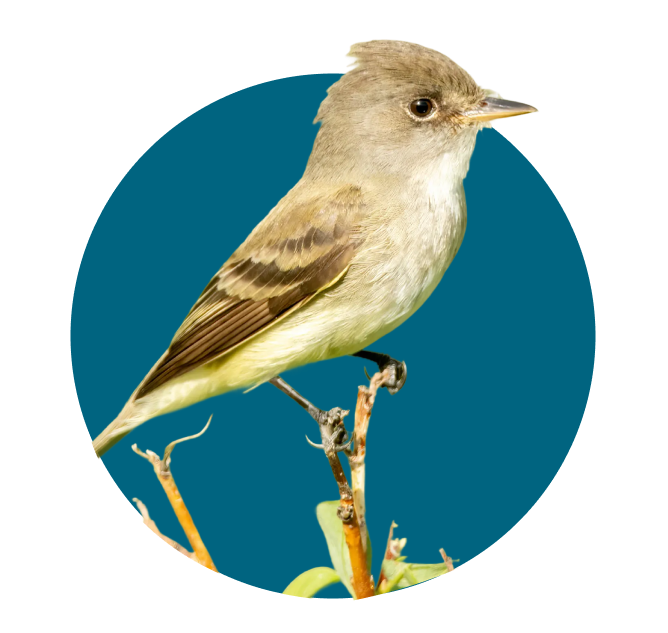
Southwestern Willow Flycatcher
*Empidonax traillii extimus*
See Details
Southwestern Willow Flycatcher
*Empidonax traillii extimus*
Size: Less than 6 inches in length
Habitat: Dense riparian vegetation
Diet: Insects
Fun Fact: Typically, Southwestern willow flycatchers only raise one brood per year
Hide Details
Size: Less than 6 inches in length
Habitat: Dense riparian vegetation
Diet: Insects
Fun Fact: Typically, Southwestern willow flycatchers only raise one brood per year
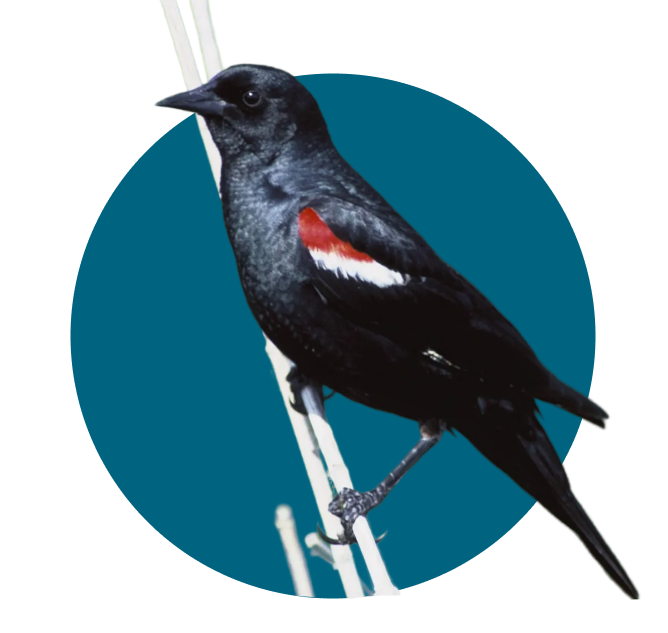
Tricolored Blackbird
*Agelaius tricolor*
See Details
Tricolored Blackbird
*Agelaius tricolor*
Size: 7-9 inches long
Habitat: Marshes, shrubs
Diet: Insects
Fun Fact: These birds form one of the largest breeding colonies in North America
Hide Details
Size: 7-9 inches long
Habitat: Marshes, shrubs
Diet: Insects
Fun Fact: These birds form one of the largest breeding colonies in North America
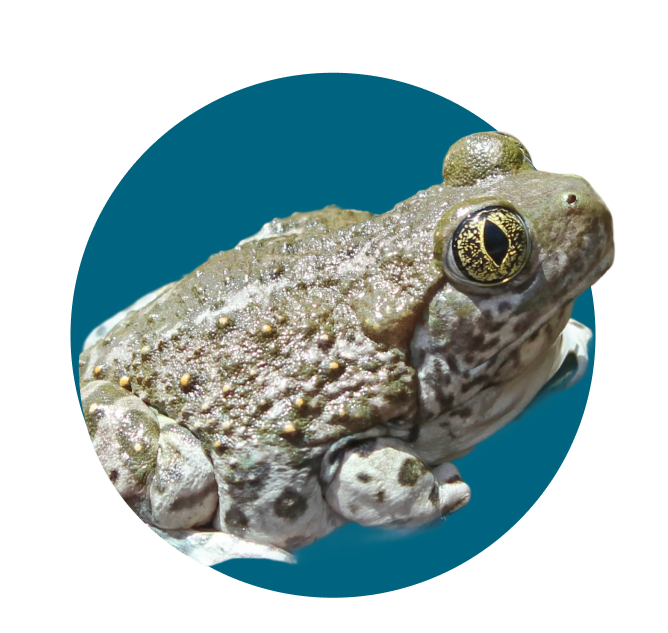
Western Spadefoot
*Spea hammondii*
See Details
Western Spadefoot
*Spea hammondii*
Size: 1.5-2.5 inches long
Habitat: Grasslands, chaparral, scrub, oak woodlands
Diet: Insects
Fun Fact: The Western spadefoot can emit a peanut-scented secretion to deter predators
Hide Details
Size: 1.5-2.5 inches long
Habitat: Grasslands, chaparral, scrub, oak woodlands
Diet: Insects
Fun Fact: The Western spadefoot can emit a peanut-scented secretion to deter predators
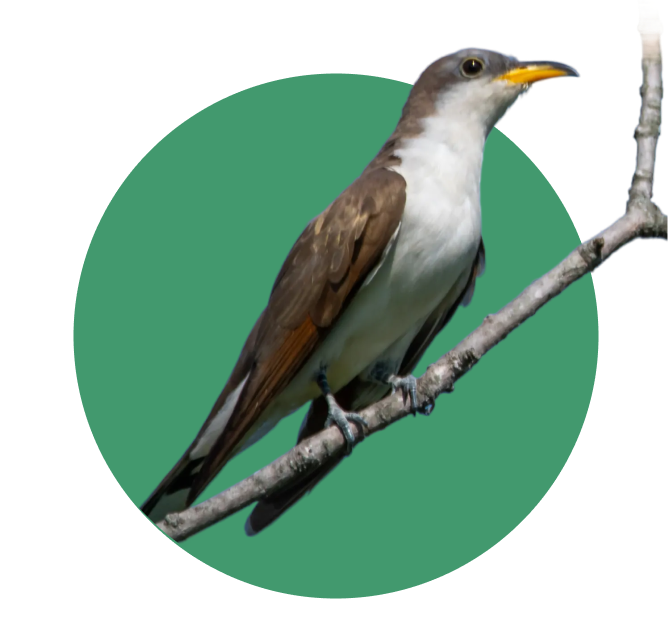
Western Yellow-billed Cuckoo
*Coccyzus americanus occidentalis*
See Details
Western Yellow-billed Cuckoo
*Coccyzus americanus occidentalis*
Size: 10.5-12.5 inches long
Habitat: Open woodlands
Diet: Insects
Fun Fact: One of the few bird species that can eat hairy caterpillars
Hide Details
Size: 10.5-12.5 inches long
Habitat: Open woodlands
Diet: Insects
Fun Fact: One of the few bird species that can eat hairy caterpillars
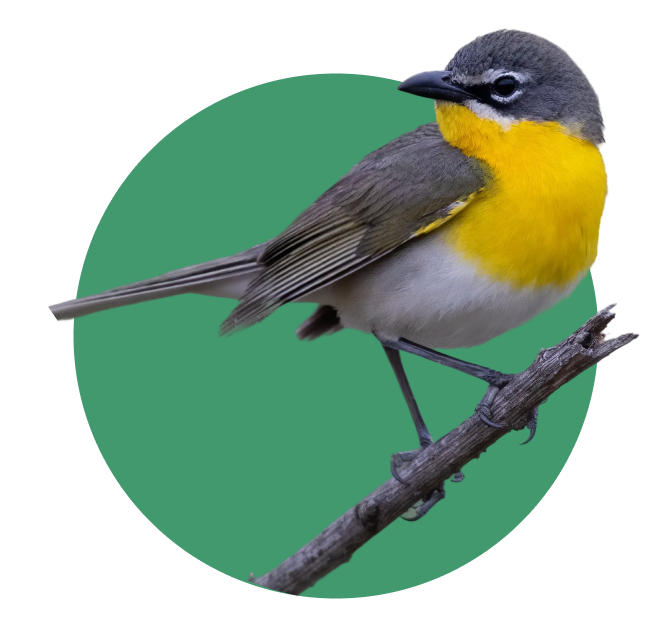
Yellow-Breasted Chat
*Icteria virens*
See Details
Yellow-Breasted Chat
*Icteria virens*
Size: 7 inches in length
Habitat: Streamside vegetation
Diet: Insects and berries
Fun Fact: These birds will sing during the day and night
Hide Details
Size: 7 inches in length
Habitat: Streamside vegetation
Diet: Insects and berries
Fun Fact: These birds will sing during the day and night